
Hip Pain Is Not Just an Older Person Problem and It Is Far More Treatable Than Most People Think
Hip Pain Is Not Just an Older Person Problem and It Is Far More Treatable Than Most People Think
Most people assume hip pain means something is seriously worn out and nothing can be done. That is one of the biggest myths we see challenged every week at PHYZFIT Health and Rehab in Bexley North and Marrickville. Hip pain in runners, desk workers, gym goers and active adults at any age is one of the most treatable conditions in physiotherapy when it is properly diagnosed and managed with the right approach.
Same day appointments available · No referral needed
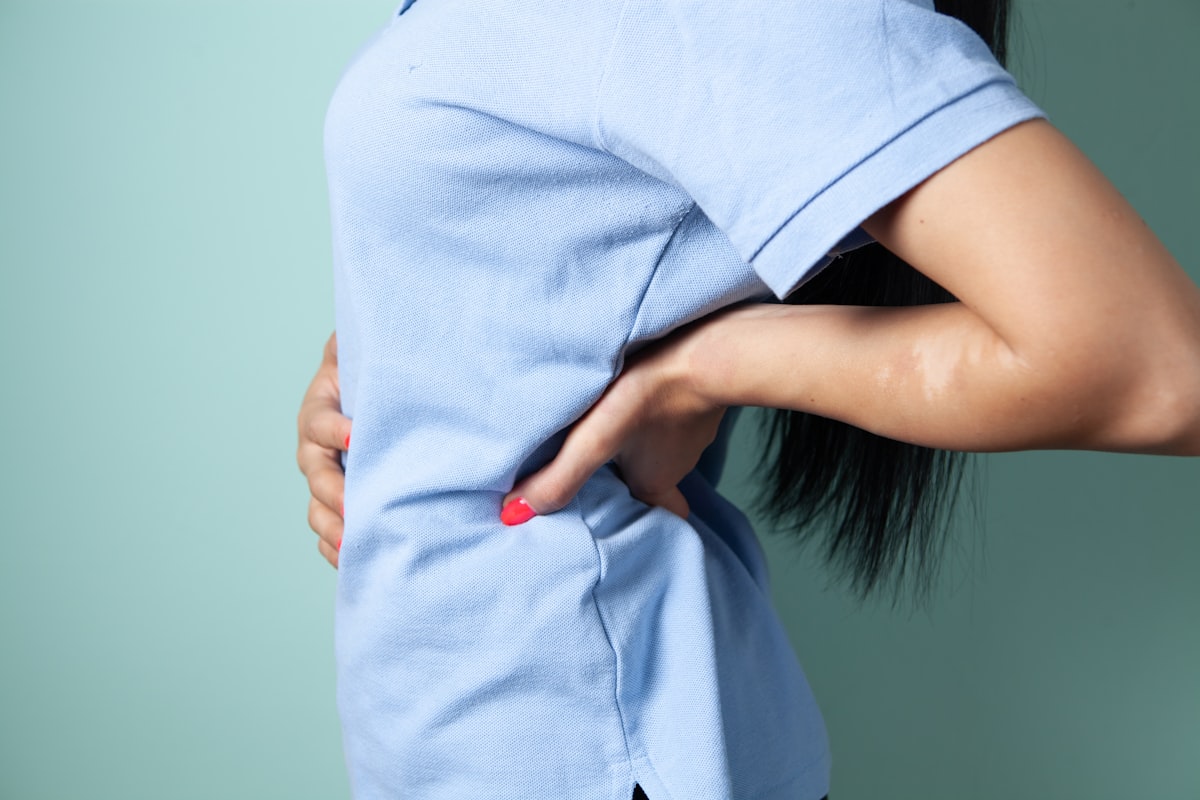
Understanding Hip Pain and Why a Proper Diagnosis Matters
The hip is a ball and socket joint supported by a complex system of muscles, tendons, ligaments and a fibrocartilaginous rim called the labrum. Pain felt in and around the hip can come from many different structures and each requires a different treatment approach. Getting the diagnosis right is the most important step, and it is the step most people skip when they self treat with stretching and heat.
Hip pain is frequently referred from the lumbar spine, the sacroiliac joint or the surrounding soft tissues rather than the hip joint itself. This is why people can spend months treating the wrong thing with no improvement. A thorough physiotherapy assessment identifies the true source of the pain so treatment can be targeted, efficient and effective.
Common Symptoms
- Pain at the front, side or back of the hip that may radiate into the groin or thigh
- A deep aching or sharp pain when walking, climbing stairs or getting up from a chair
- Stiffness and restricted movement when rotating the hip inward or outward
- Pain or weakness during running, squatting or lunging
- Clicking, catching or a feeling of the hip giving way
- Morning stiffness in the hip joint that takes time to warm up
- Pain on the outer hip that worsens with lying on that side at night
Common Causes
- Gluteal tendinopathy, particularly the gluteus medius and minimus tendons on the outer hip
- Hip flexor strain or iliopsoas tendinopathy from running or gym training
- Femoroacetabular impingement (FAI) where the ball and socket surfaces make contact abnormally
- Labral tears causing deep groin pain, clicking or instability
- Hip osteoarthritis with gradual cartilage wear and progressive stiffness
- Referred pain from the lumbar spine or sacroiliac joint mimicking hip pain
- Weak hip stabilisers, particularly the glutes, that cause abnormal loading during activity
Why Stretching Alone Is Not Enough
Stretching is the default response most people have to hip pain and tightness, and for many hip conditions it is exactly the wrong approach. Gluteal tendinopathy, for example, is provoked by compressive loading of the tendon, which is precisely what happens when you stretch the hip into adduction across the body. Stretching a compressed tendon increases irritation, not relieves it.
The most effective treatment for most hip conditions involves progressive loading of the hip stabilisers combined with specific movement retraining, not passive stretching. Understanding which condition you have and which approach is appropriate makes the difference between recovering in weeks and being stuck in a cycle of flare ups for months.
How We Treat Hip Pain at PHYZFIT
Our physiotherapy team at PHYZFIT takes a thorough, diagnosis first approach to hip pain. We do not guess and we do not use a generic protocol. We find out what is actually wrong and build a treatment plan that makes sense for your specific condition, your activity level and your goals.
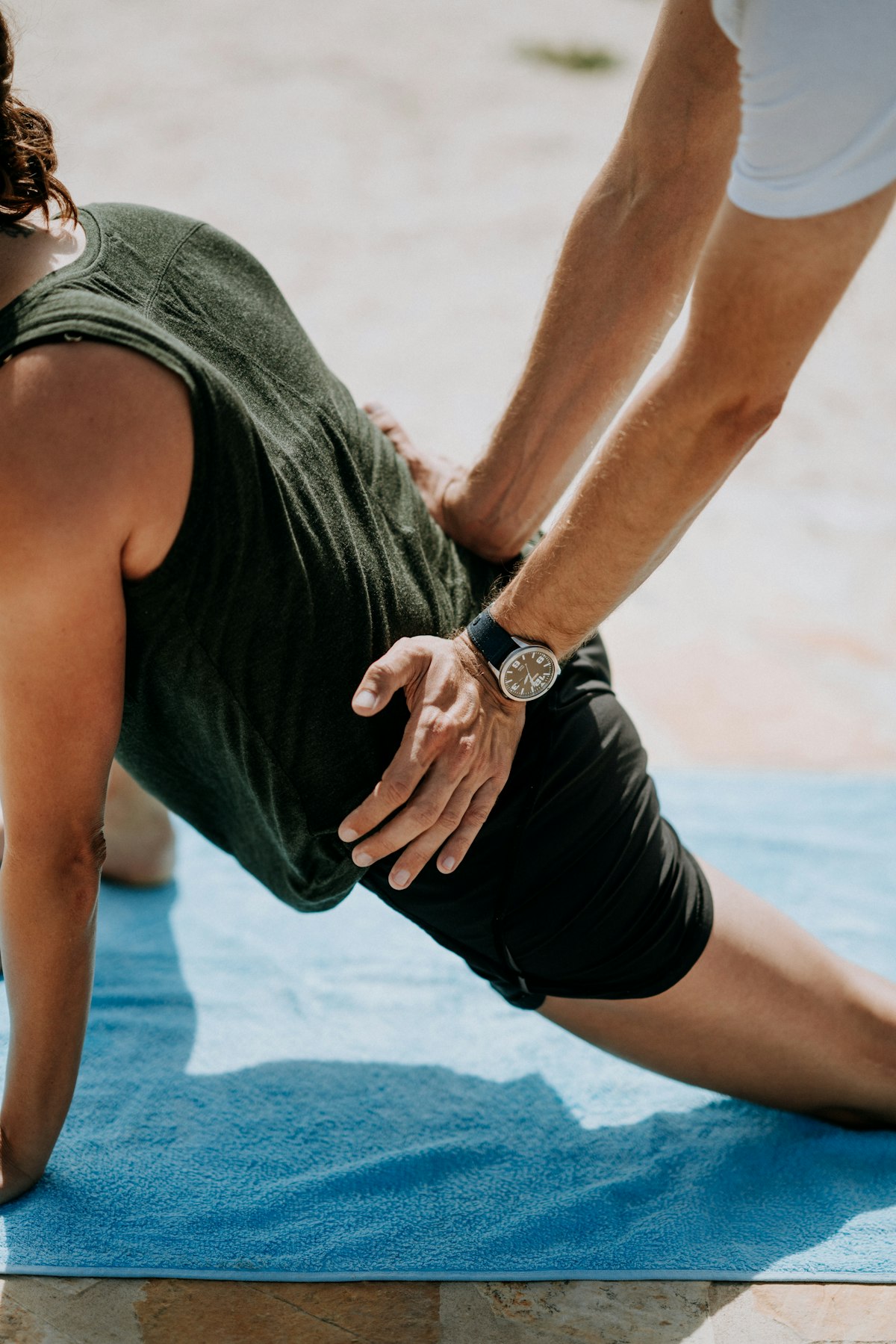
Accurate Diagnosis of the Pain Source
We assess the hip joint, the lumbar spine, the sacroiliac joint, the surrounding tendons and the muscles responsible for stabilising the pelvis. This comprehensive view allows us to identify the primary driver of your pain with confidence. Many people we see have been told their hip is fine based on imaging, when in fact a soft tissue condition is the actual cause. A clinical assessment reveals what a scan often misses.
Progressive Hip Strengthening Program
The cornerstone of hip pain rehabilitation is a structured loading program targeting the gluteal muscles, hip stabilisers and surrounding chain. We start at an appropriate load for your current pain level and progress systematically. This is the single most important factor in achieving a full and lasting recovery for conditions like gluteal tendinopathy, hip flexor issues and early arthritis.
Manual Therapy and Dry Needling
Hands on treatment to the hip joint, lumbar spine and surrounding soft tissues helps reduce pain, improve range of motion and create the conditions needed for a loading program to begin. Dry needling to the gluteal muscles, hip flexors and referred pain sources is highly effective for reducing muscle tension and trigger point activity around the hip.
Movement Retraining and Biomechanics
How you move matters as much as how strong you are. Poor hip mechanics during walking, running, squatting or single leg activities can perpetuate hip pain even when the underlying strength is there. We assess your movement patterns and retrain the specific faults that are loading your hip abnormally. For runners, we also look at training load and running form as key contributing factors.
Return to Sport and Full Activity
Whether you want to get back to running, the gym, sport or just walking without pain, we set clear milestones and ensure you progress all the way through to full capacity. We do not discharge you at the point of pain relief. We take you to the point where your hip is strong, stable and resilient enough to handle whatever you want to do with it.
What to Expect at Your First Appointment
Your first session at PHYZFIT is a full assessment. No rushing, no guessing. We take the time to understand your history, your activity level and your goals before building a plan.
Book online or call us. Same day appointments at Bexley North and Marrickville. No referral needed to get started.
We assess the hip, lumbar spine, pelvis and movement patterns to pinpoint the actual source of your pain, not just where it hurts.
You leave with a clear diagnosis, a targeted plan and a realistic timeline. We explain everything so you understand exactly what is happening and what needs to change.
We monitor and progress your program at every session to keep driving results. Your goal is our benchmark, not just pain reduction.
What You Should Not Do
- Do not assume hip pain will resolve on its own and keep pushing through it without treatment
- Do not stretch the hip aggressively across your body as this can worsen gluteal tendinopathy
- Do not rely on anti inflammatories or rest as your only management strategy
- Do not skip the diagnosis step and go straight to generic exercises from the internet
- Do not assume a normal scan means nothing is wrong as many hip conditions are soft tissue in nature
- Do not accept long term pain as inevitable before you have had a proper physiotherapy assessment
Seek urgent assessment if your hip pain is associated with significant trauma, if you cannot weight bear, if you have severe pain at rest or if you notice a deformity or significant swelling. These may indicate a fracture or serious structural injury requiring immediate medical attention.
Stop guessing what is wrong with your hip. Get a proper diagnosis and a plan that actually works.
Book Now (02) 8021 0969 admin@phyzfit.com.auFrequently Asked Questions
Can physiotherapy help with hip pain if I have been told I have arthritis?
Yes, significantly. Exercise therapy and physiotherapy are the most effective treatments for hip osteoarthritis according to current evidence. A structured strengthening program reduces pain, improves function and can delay or eliminate the need for surgery in many cases. Do not accept pain as an inevitable consequence of arthritis without first trying the right program.
How long does hip pain take to recover?
Recovery time depends on the diagnosis. Muscle strains and hip flexor issues typically resolve in 4 to 8 weeks with the right program. Gluteal tendinopathy often takes 8 to 12 weeks of progressive loading to fully resolve. Hip osteoarthritis is managed as an ongoing condition with ongoing exercise. The sooner treatment starts, the better the outcome in every case.
Should I rest or keep moving with hip pain?
Movement is almost always better than rest for hip pain, but the type and amount of movement matters. Complete rest deconditions the hip muscles and often makes recovery slower. Your physiotherapist at PHYZFIT will advise on appropriate activity levels, what to modify and how to progress loading safely so you can stay active throughout your recovery.
Do I need a referral to see a physiotherapist at PHYZFIT?
No referral is required. We accept private health insurance, Medicare Enhanced Primary Care plans, NDIS, WorkCover, SIRA, CTP and DVA. If you are unsure about your cover, give us a call and we will help you before your appointment.
Can hip pain cause knee or back pain?
Yes, absolutely. The hip sits in the middle of the kinetic chain and influences both the lumbar spine above and the knee below. Weak hip stabilisers alter movement patterns throughout the leg and lower back, which is why many people with knee pain or lower back pain also have underlying hip weakness that needs to be addressed as part of their treatment.
Ready for Us to Help You With Your Pain?
Same day appointments at Bexley North and Marrickville. No referral needed. Stop living around your hip pain and book in today.
Book NowPHYZFIT Health and Rehab | Bexley North and Marrickville, Sydney | Helping you rebuild trust in your body and live a life without limits.